 As we move through April, it’s a good moment to pause and reflect on one of the most overlooked aspects of workplace safety: near‑miss reporting. While accidents and injuries rightly receive attention, the incidents that almost happened often hold the most valuable lessons. Strengthening how we recognise and report near misses can dramatically reduce risk, prevent harm, and build a stronger safety culture across UK workplaces.
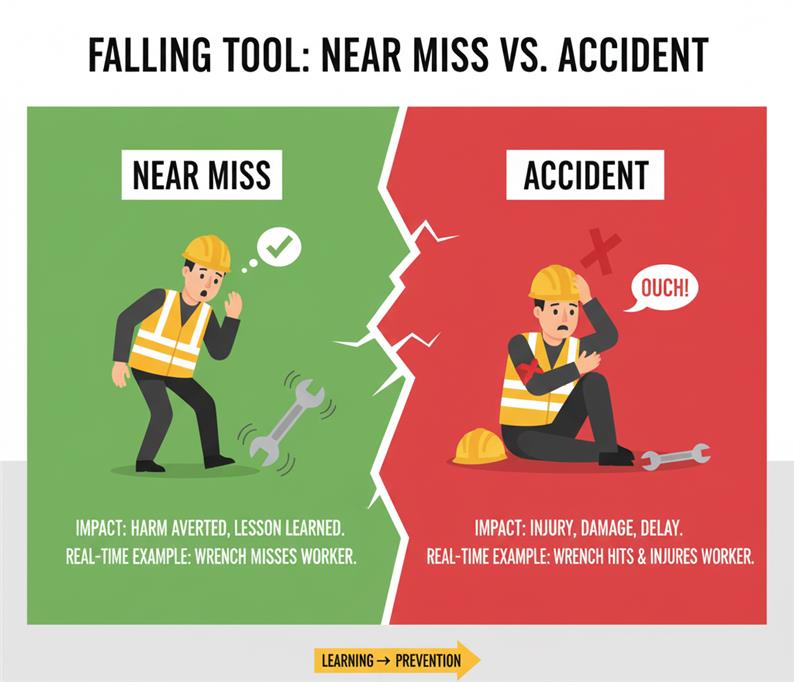
A near miss is any unplanned event that didn’t result in injury, damage, or loss — but had the potential to. Examples include:
These moments are warnings. They highlight hazards before they escalate into something more serious.
Every near miss is a chance to fix a problem before it becomes an incident. When employees report them, organisations can identify patterns, remove hazards, and improve processes.
Encouraging open reporting shows that safety is a shared responsibility. It builds trust and empowers people to speak up without fear of blame.
Preventing accidents reduces downtime, compensation claims, and operational disruption. A proactive approach is always more cost‑effective than reacting after the fact.
While near misses aren’t legally required to be reported under RIDDOR, demonstrating a robust internal reporting system helps organisations meet their wider duty of care under UK health and safety law.
Complicated forms or unclear processes discourage people from speaking up. A quick digital form, QR code, or simple reporting line can make a huge difference.
Employees must feel safe to report issues without fear of criticism. Reinforce that near‑miss reporting is about learning, not blaming.
Nothing undermines a reporting system faster than inaction. Acknowledge reports, investigate promptly, and communicate what’s been done.
Regularly update teams on improvements made as a result of near‑miss reports. This reinforces the value of reporting and encourages ongoing participation.
When managers and supervisors report near misses themselves, it sets the tone for everyone else.
Near misses are gifts — early warnings that give us the chance to prevent harm before it happens. By taking them seriously, acting on them, and encouraging open reporting, organisations can create safer, healthier workplaces for everyone.
Contact us should you require further information.
Guest Blogging
If you feel that you could contribute to this blog then please feel free to send me a proposal of your guest blogging ideas and we can discuss these further info@walkersafety.co.uk . Please note; any proposals must be of benefit to my readers from individuals with knowledge of their subject matter.