The week of 13 July 2026 brings several major developments in UK workplace safety. With new regulatory changes on the horizon, rising summer risks, and continued HSE enforcement activity, employers should treat this week as a critical moment to tighten controls and refresh training.
🔧 RIDDOR 2026: The Biggest Reporting Shake‑Up in 13 Years
RIDDOR
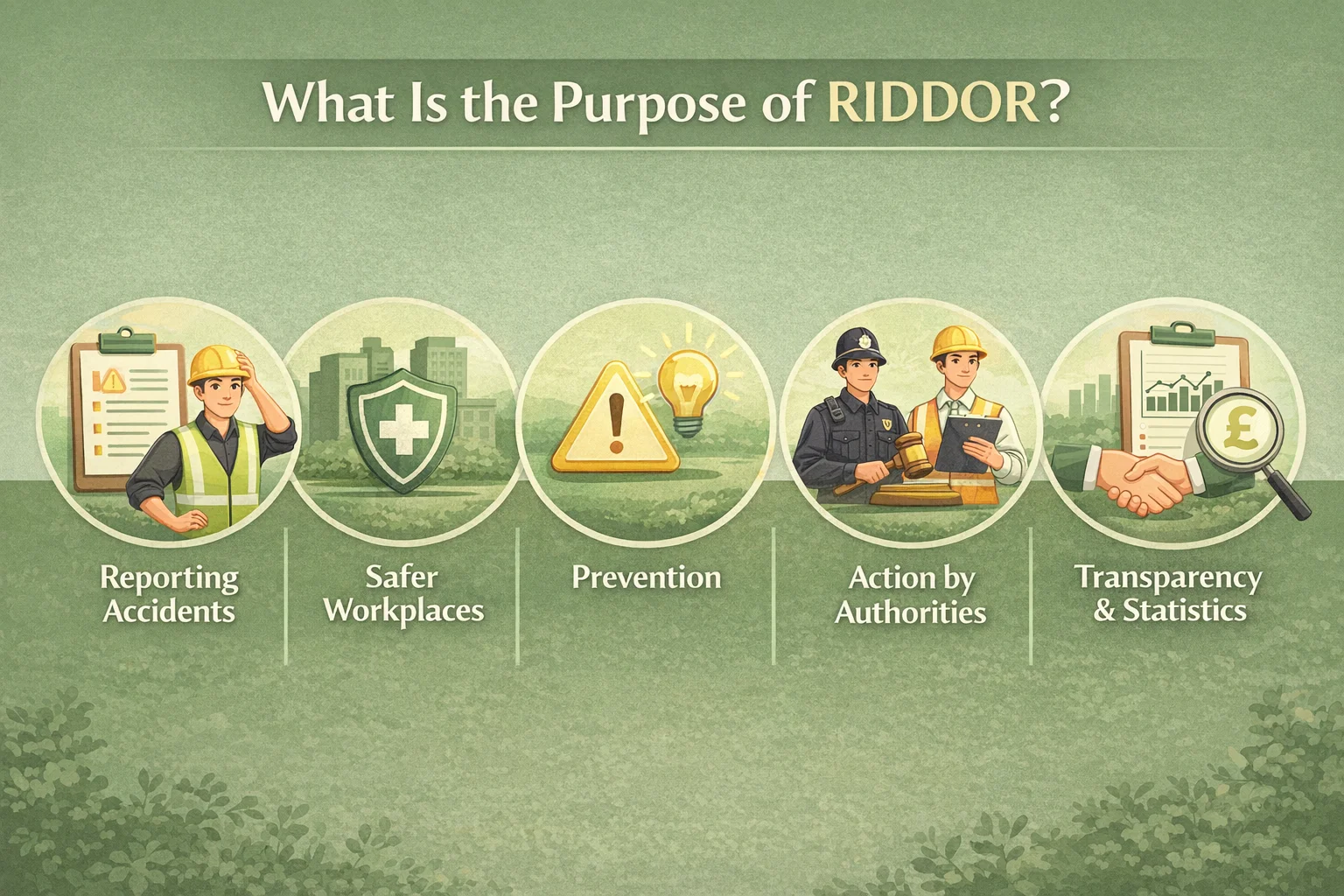
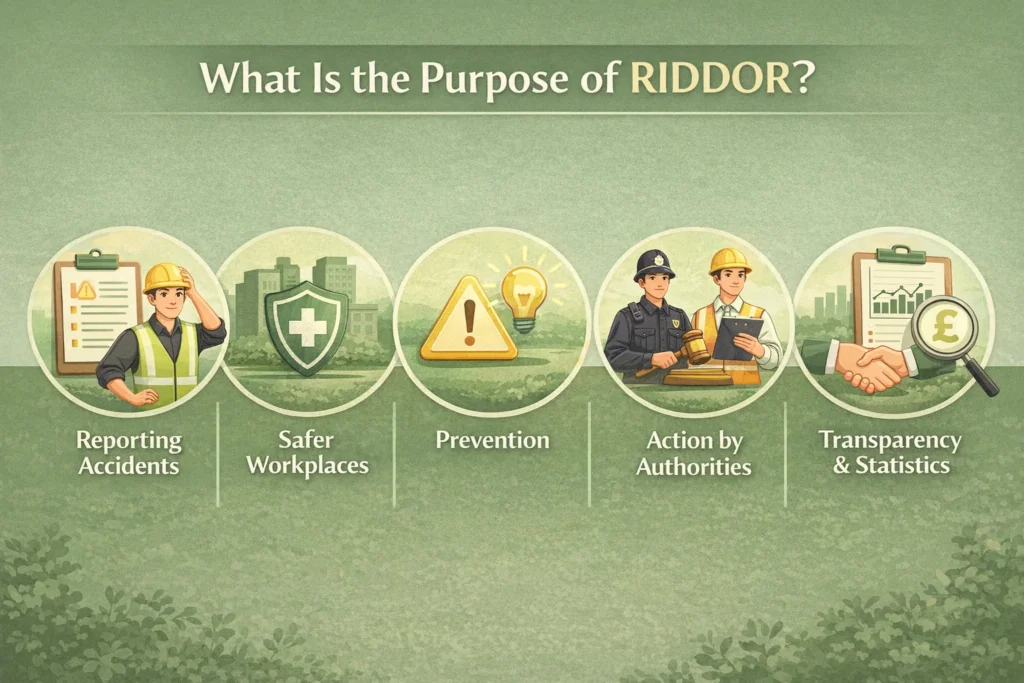
The and Safety Executive is preparing a major overhaul of RIDDOR, the UK’s workplace injury and dangerous‑occurrence reporting regulations. A public consultation closed on 30 June 2026, and the direction is clear: stricter, broader, and more prescriptive reporting rules, especially for construction.
RIDDOR changes employers must prepare for:
- New construction‑specific dangerous occurrence categories, including plant overturning and structural instability.
- Lower thresholds for reporting certain injuries and near misses.
- Increased scrutiny following recent CDM prosecutions and fines (including a £79,300 fine on 10 June).
Why this matters this week
With the consultation now closed, HSE is expected to publish draft final rules soon. Employers should begin reviewing internal reporting systems, training supervisors, and auditing incident‑logging processes.
🌡️ Heat Management: July Temperatures Continue to Challenge UK Sites
Summer heat remains a major risk across UK workplaces, especially construction. Rising temperatures have led to increased cases of heat stress, heat exhaustion, and heat stroke, all of which can severely impair concentration and raise accident risk.
Barbour have released an employee fact sheet for working in the sun and heat Employee-Factsheet-Working-in-Sun-and-Heat.pdf
Heat‑risk controls to prioritise this week
- Adjust work schedules to avoid peak heat hours.
- Provide shaded rest areas and hydration stations.
- Train workers to recognise early symptoms of heat stress.
- Review PPE requirements and allow lighter alternatives where safe.
These measures are essential as July heat continues to intensify across UK construction sites.
🏗️ Falls From Height: Repeated Failures Still Dominating HSE Prosecutions
Recent HSE enforcement updates show a disturbing pattern: falls through fragile roofs, skylights, openings, and unprotected platforms remain among the most prosecuted failures in 2026.
Key incidents highlighted this month
- A worker suffered life‑changing injuries after falling through a fragile roof with no fall‑prevention measures in place.
- Two companies were fined after a scaffolder fell six metres through an almost invisible skylight, suffering multiple fractures.
Work‑at‑height actions to take this week
- Mark and isolate fragile roof surfaces.
- Strengthen supervision and planning for all roof work.
- Ensure Employers’ Liability Insurance is valid and up to date.
- Use physical controls (guardrails, platforms, fall‑arrest systems) rather than relying on paperwork alone.
⚙️ Machinery and Site Control: Repeated Failures Across UK Industry
Analysis of 2026 HSE prosecutions shows that machinery entanglement, unsafe isolation, vehicle strikes, and hazardous exposure continue to recur across construction, manufacturing, logistics, and maintenance.
The pattern HSE is prosecuting
- Known hazard
- Weak or missing control
- Poor supervision
- Serious harm
- Investigation → prosecution → public record
This week is an ideal time for employers to revisit guarding, isolation procedures, and vehicle‑movement controls.
📌 Weekly Takeaway for 13 July 2026
This week’s safety priorities are clear:
- Prepare for RIDDOR 2026 changes by reviewing reporting systems.
- Strengthen heat‑stress controls as July temperatures rise.
- Address repeated falls‑from‑height failures with physical controls and better planning.
- Improve machinery guarding and isolation to break recurring enforcement patterns.
- Refresh chemical and process safety controls in light of recent high‑profile fines.
Contact us if you would like further information.