 As we approach the end of the year, many organisations find themselves busier than ever. Deadlines need to be met, projects completed, stock moved, orders dispatched, and annual targets achieved. Whilst these demands can drive productivity, they can also create one of the most overlooked workplace risks: fatigue.
Unlike a faulty machine or damaged piece of equipment, fatigue isn’t always visible. However, its effects can be just as dangerous.
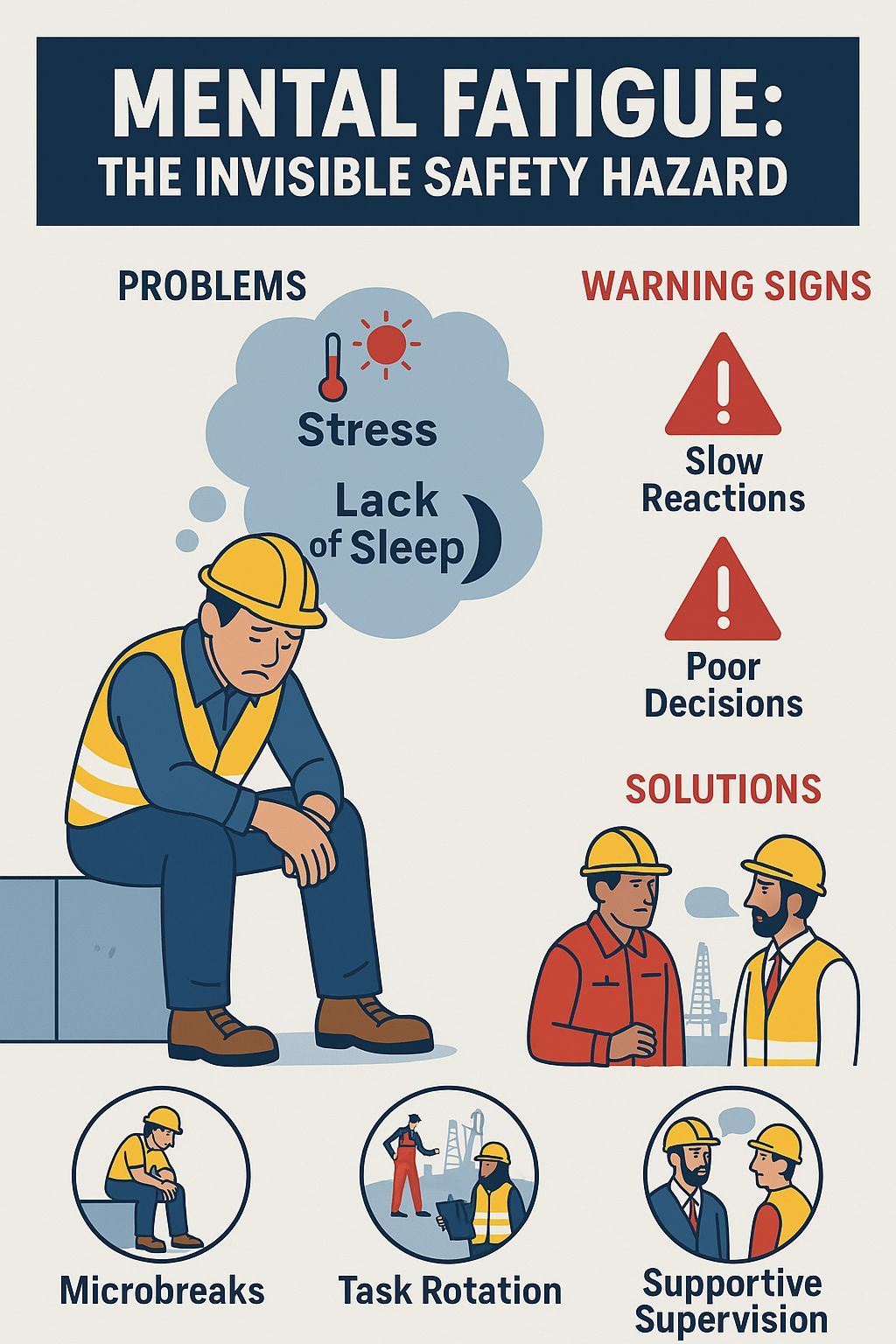
Fatigue is more than simply feeling tired. It is a state of physical and mental exhaustion that reduces a person’s ability to work safely and effectively.
Fatigue can affect:
In safety-critical roles, even a momentary lapse in attention can have serious consequences.
When people hear the term fatigue, they often think about long-distance drivers or shift workers. While these groups may be particularly vulnerable, fatigue can affect anyone.
Common causes include:
Whether someone works in an office, warehouse, factory, school or construction site, fatigue can increase the likelihood of mistakes and accidents.
Many incidents attributed to human error have fatigue lurking in the background.
Employees who are tired are more likely to:
Near misses are often warning signs that fatigue may be affecting performance before a more serious incident occurs.
Managing fatigue should form part of an organisation’s overall approach to health and safety.
Practical measures include:
Review workloads and deadlines to ensure expectations remain realistic.
Regular breaks can help maintain concentration and reduce mental fatigue throughout the day.
Long hours do not always result in higher productivity. In many cases, performance decreases while the risk of mistakes increases.
Mental health, stress management and work-life balance all have a significant impact on fatigue levels.
Managers who promote healthy working practices help create a culture where employees feel comfortable raising concerns before issues develop.
Fatigue doesn’t just increase accident risk. It can also lead to:
Ultimately, organisations may pay a far higher price than simply taking steps to manage the problem.
As workloads begin to increase and attention turns toward year-end targets, it is worth asking a simple question:
Are people working hard, or are they working tired?
The difference matters.
Creating a safe workplace isn’t only about guarding machinery, maintaining equipment and writing procedures. It’s also about recognising the human factors that influence behaviour and performance every day.
This week, take a moment to check in with your teams. A conversation about workload, stress or tiredness could help prevent the next incident before it happens.
Because sometimes the biggest workplace hazard isn’t what people are doing, it’s the condition they’re in when they’re doing it.
Contact us for further information.
Guest Blogging
If you feel that you could contribute to this blog page, then please feel free to send me a proposal of your guest blogging ideas and we can discuss these further info@walkersafety.co.uk . Please note any proposals must be of benefit to my readers from individuals with knowledge of their subject matter.