 Having worked in health and safety since 2004, I understand the vital role that PPE plays in keeping us safe. However, as someone who is 5 feet tall, I have encountered challenges with ill-fitting equipment and clothing that can impact both safety and productivity.
Changes are being made to accommodate people of all shapes and sizes so that they are safe and can be seen in the workplace.
Katy Robinson is a PPE campaigner, she spoke to SHP Magazine about raising awareness for inclusive PPE, click here to read her article.
I was asked to write an article for them too. My article can be read here.
If you want to find out more or need help in finding PPE that fits, please contact me.
Health and Safety Consultants | Telford, Shropshire, West Midlands (walkersafety.co.uk)
Contact us if you have any queries.
8 March 2023 marks International Women’s Day. It’s a day that celebrates ‘the social, economic, cultural and political achievements of women’ whilst also calling for equality – where men and women are treated the same. No one government, country, charity or group is responsible for it.

We hope you found this of interest. Here are some useful links
IWD: About International Women’s Day (internationalwomensday.com)
International Women’s Day 2024: UK Statement to the OSCE – GOV.UK (www.gov.uk)
International Women’s Day | World Vision UK
 What is tinnitus?
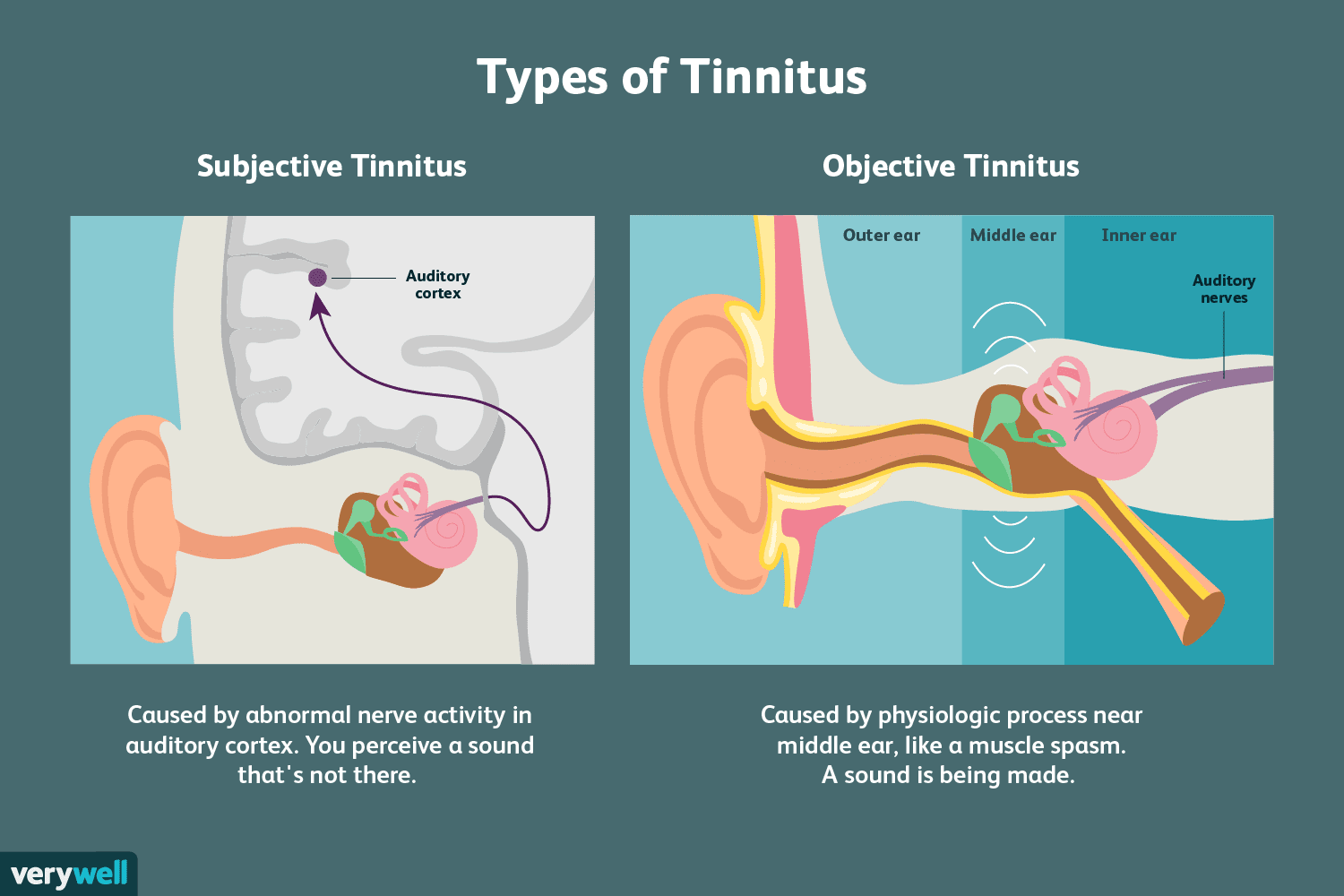
Tinnitus UK (formerly British Tinnitus Association) describes tinnitus as “the sensation of hearing a sound when there is no external source for that sound”. The symptoms may be felt as ringing, buzzing, hissing, clicking, whistling, whooshing sounds, etc and may be constant or intermittent, varying in volume from person to person. Tinnitus is thought to affect around 13% of adults in the UK.
According to Tinnitus UK, the noise may be in one or both ears, or it may feel like it is in the head. It may be low, medium or high pitched and can be heard as a single noise or as multiple components.
Occasionally people have tinnitus that can seem like a familiar tune or song, known as musical tinnitus or musical hallucination. Others have tinnitus which has a beat in time with their heartbeat — known as pulsatile tinnitus.
The symptoms are usually caused by an underlying condition with strong links to hearing loss in general.
The Tinnitus Awareness Week is an annual campaign dedicated to raising awareness and educating people about the causes, impact and management of tinnitus. This year’s event will be held from Monday 5 to Sunday 11 February.
Research conducted by the Health and Safety Executive (HSE) has indicated that the prevalence of tinnitus in workers exposed to noise at work is significantly greater than in workers not exposed to noise.
Therefore, jobs at particular risk of tinnitus are those characterised by loud or prolonged noise. For example, carpenters, construction and manufacturing workers, airport staff, musicians, call centre personnel and street workers could be among those at risk, as are people who work with chain saws, guns or other loud equipment as well as those who are exposed to loud music at work.
However, causes can also be completely unrelated to noise at work and linked to non-work-related hearing loss as well as ear infections or various illnesses such as diabetes, thyroid disorders, multiple sclerosis, anxiety, depression and Ménière’s disease.
According to the NHS, tinnitus can also be caused as a side effect of some chemotherapy medicines, antibiotics, non-steroidal anti-inflammatory drugs (NSAIDs) and aspirin.
In the context of tinnitus, if noise in the workplace regularly reaches 80 to 85 decibels, to protect their staff, the employers could take steps such as:
The Control of Noise at Work Regulations 2005 apply to all industry sectors in Britain and aim to ensure that workers’ hearing is protected from excessive noise, which could cause them to lose their hearing and/or to suffer from tinnitus. See the Noise topic for information and guidance.
The HSE warns that many thousands of people are exposed to loud noise at work that may be a risk to their hearing.
In addition, ototoxic chemicals — substances which can harm hearing, even in the absence of noise levels — also carry risks which can be under-acknowledged, but are associated with often life-changing effects related to hearing loss. See our feature The life-changing risks of ototoxic chemicals.
In a survey, 42% of tinnitus sufferers believed that their condition had an adverse effect on their work, and loss of concentration, lack of sleep and anxiety associated with the condition can all make working more difficult. However, tinnitus can also impact on working in other ways including, for example, difficulties:
Employers also need to understand their responsibilities to staff with tinnitus or hearing loss under the Equality Act 2010 and will need to be prepared to make reasonable adjustments to support staff with hearing difficulties.
It is recommended by Fit for Work advisors that people who have hearing loss or tinnitus inform their managers of their condition and discuss changes that could help, such as moving to a different workstation, changing meeting venues or reducing stress.
Also helpful is an online resource called Take on Tinnitus. It has been designed primarily for people who have just begun to experience tinnitus. However, it is also a valuable resource for those who have experienced the condition longer term.
Some cases of tinnitus, such as those caused by the build-up of ear wax or because of an ear infection, can be treated by a doctor. In other cases, there is no cure, and treatment is focused on developing coping mechanisms in order to live with the condition. Various therapies may be helpful including the following.
A wide range of treatments and a number of specific medications, including antidepressants, amitriptyline and melatonin for example, have been reviewed by Tinnitus UK and evaluated using an extremely helpful traffic light system, based on their safety and efficacy.
Tinnitus UK runs a chat service via its website.
In addition, there is a network of tinnitus support groups around the country, listed via Tinnitus UK’s website, where people can develop and learn about new coping skills and gain inspiration and encouragement from others.
Tinnitus UK runs a large research grants programme to support tinnitus research. It recently partnered with scientists and academics from the Nottingham Biomedical Research Centre and the Universities of Nottingham and Newcastle to conduct innovative research, using imaging data from thousands of brain scans held in the UK Biobank, a major national and global health resource. It is thought that chronic tinnitus may be associated with changes in the structure of the brain, and that reversing these changes might prove effective in the treatment of the condition.
It is estimated that tinnitus affects over seven million people in the UK at present, and many people elsewhere around the world, potentially causing stress, sleep difficulty, anxiety and compromising hearing.
As research efforts continue, it is hoped that soon a cure for this enigmatic and distressing medical problem will be found.
If you have any queries, please contact us.
 As part of an overall maintenance strategy, organisations should identify ageing fire precautions and have in place a regime to maintain such items.
Many buildings will have fire precautions that can be described as physical assets that need to be properly maintained to ensure that they are fit for purpose and continue to function as efficiently and effectively as possible. This will ensure legal duties in relation to protecting relevant persons from the risk of fire are met.
All fire precautions will be subject to ageing, which if not managed appropriately can lead to equipment failure, which in turn can lead to future regulatory non-compliance, increased fire risks to life and greater business continuity issues in the event of a fire.
As part of an overall maintenance strategy, organisations should identify ageing fire precautions that may require a maintenance regime that goes beyond “best practice”, and put into place the regime to maintain such items.
Article 17 of the Regulatory Reform (Fire Safety) Order 2005 states that “where necessary in order to safeguard the safety of relevant persons the responsible person must ensure that the premises and any facilities, equipment and devices provided in respect of the premises under this Order … are subject to a suitable system of maintenance and are maintained in an efficient state, in efficient working order and in good repair”.
It should be noted that similar requirements are contained in the respective legislation for Scotland and Northern Ireland.
In this context, “where necessary” can be taken as meaning that the duty holder must do what is reasonable to protect relevant persons in terms of the maintenance needs of the facilities, equipment and devices provided under the Regulatory Reform (Fire Safety) Order 2005.
In turn, these can be described as the general fire precautions that will include measures:
The key part of Article 17 is the requirement for these elements to be maintained in an efficient state, efficient working order and good repair. Guidance for enforcing authorities notes that this is a three-part test that can be best described as follows.
Maintenance of general fire precautions is an essential part of the overall fire risk management framework and can form part of any formal enforcement procedures.
Government publication, Guidance Note No 1: Enforcement, states that risk assessments should include references to maintenance. It continues by stating that enforcing authorities are “expected to use their professional judgement in evaluating the maintenance of any equipment and devices provided in accordance with the risk assessment to protect all relevant persons in and around the premises from the dangers of fire”.
To meet the above requirements, those responsible for fire safety will normally adopt a regime of planned preventative maintenance based upon best practice (such as detailed in relevant British Standards) in conjunction with a reactive repairs regime in the event of defects occurring/being identified between maintenance schedules.
However, during its lifecycle all fire precautions can degrade due to age-related mechanisms and it may be the case that maintenance frequency and regimes could be required that are beyond those recommended in the British Standards. It is therefore essential that as part of the overall maintenance regime, such ageing is identified, considered and appropriate measures are taken to manage the risks.
When referring to ageing fire precautions, it is important to note that this does not necessarily relate to the chronological ageing process, rather ageing is “the effect whereby a component suffers some form of material deterioration and damage with an increasing likelihood of failure over the lifetime of the asset”.
As an example, a property can have fire door assemblies of the same age and specification throughout the premises, yet one assembly could be subject to greater ageing due to its location, frequency of use and potential for damage to occur through use.
The management of ageing fire precautions therefore begins with an awareness that ageing is not about how old the equipment is, but what is known about its condition, and the factors that influence the onset, evolution and mitigation of its degradation. This suggests that for those with responsibility for maintaining ageing fire assets, there is a need to:
As well as the physical ageing process, other factors will need to be given consideration. This can include obsolescence and a lack of spare parts or the disappearance of the original equipment manufacturer, or non-conformance with current safety requirements, codes, standards and procedures.
Competency, availability and organisation of the employees/contractors responsible for asset management are also essential to ensuring that this understanding of current and predicted asset condition is used when making asset management decisions.
BS 9997: Fire Risk Management Systems notes that organisations should “plan, document, implement and manage the processes for maintenance and testing of fire safety systems to ensure that they operate correctly in the event of fire”.
As part of this, an organisation may require an “ageing maintenance programme”. This should detail the actions necessary to ensure any ageing fire precautions are maintained in an efficient and cost-effective way. The main elements of such a plan will be as follows.
It should be noted that within an ageing maintenance programme there may be differing schedules from those in relation to statutory compliance requirements being met through normal best practice. Where this is the case, the ageing maintenance programme needs to interface with such compliance requirements.
It should be noted that management of ageing fire precautions will require regular monitoring, review and revalidation following any unwanted incidents, major repairs, refurbishment or replacement of key items.
Managing ageing fire precautions effectively may require a shift in the way fire asset condition is regarded, assessed and maintained. This requires a proactive approach with a thorough understanding of the fire asset ageing mechanisms and condition, and the ways in which assets interact (including cause and effect).
The characteristics of an “ageing asset” can be defined as when:
If you require further information, please contact us.